

In a new article for , Professor Alec Charles, Dean of the Faculty of Arts, explains the phenomenon of lockdown social media 'watchalongs' and why the BBC's Dr Who has proven particularly suited to these online events.
Back in March, as the UK went into national lockdown, popular television鈥檚 social media 鈥渨atchalongs鈥� emerged as a major social phenomenon, bringing together audiences across and . Now, like the virus itself, these watchalongs are back 鈥� with, for example, former Doctor Who star David Tennant joining fans on Twitter for simultaneous commentary on to mark Halloween.
The BBC鈥檚 Doctor Who has proven particularly suited to these online events, many coordinated and produced by superfan and assistant editor of . The show has united its followers in mass viewing events supported by live online commentaries from the show鈥檚 stars and writers, including such high-profile figures as , and .
As well as series regulars Matt Smith, David Tennant, Karen Gillan, Catherine Tate and John Barrowman, former guest stars , and have also take part in these live 鈥渢weet-alongs鈥�.
Former showrunners Davies and Moffat, and current showrunner Chris Chibnall have produced new online content, short stories and dramatic monologues and even a . Some of these have been published online as text, and some performed through readings, puppetry and animations voiced by actors involved in the show.
The series鈥� writers have provided us with prequels to the histories of some of the programme鈥檚 best-loved characters, including the immediate back-stories of the and Doctors, and supplied a to the show鈥檚 epic 50th anniversary special.
So prolific has this new writing been that on November 5 the BBC is publishing a collection of much of this material in aid of its annual Children in Need telethon entitled .
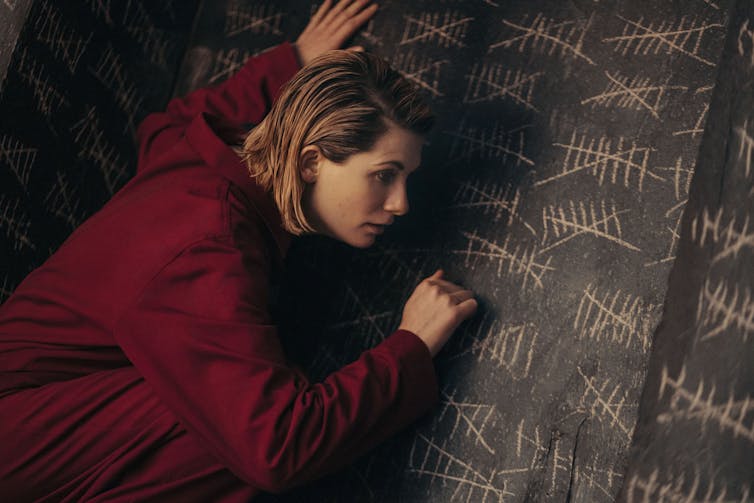
In character as the current Time Lord, Jodie Whittaker has performed a reassuring to families in lockdown and one advising on .
Ten of the actors to have played various incarnations of the Doctor 鈥� from Tom Baker in the 1970s to 2020鈥檚 鈥� also participated in a in support of NHS workers as part of the BBC鈥檚 fundraising show at the end of April.
The BBC has created to support families with their home-schooling needs. Meanwhile, with production of the 2021 series delayed, it has launched a massive multimedia adventure (in novels, comics, audio plays and online animations) entitled . Serendipitously, the corporation had already completed production on its latest before coronavirus hit 鈥� so at least one aspect of Christmas won鈥檛 be ruined.
The show鈥檚 fans have matched these efforts by organising their , virtual conventions involving interviews with the programme鈥檚 stars and production teams, old and new. Fans have even posted their own versions of their favourite scenes from the series in an online project called 鈥溾��.
This has come at a time when the BBC has been under enormous political and financial pressure: talk of decriminalising non-payment of the licence fee or scrapping it altogether and turning the broadcaster into a . Yet you could say that Doctor Who has played a minor role in the revival of the corporation鈥檚 fortunes since the pandemic hit Britain.
In the first week of national lockdown, turned to the BBC for their news. During May 2020, its iPlayer service attracted 鈥� 72% higher than that month in 2019. At a time of national crisis, the BBC has been seen to step up to meet its defining public service responsibilities: to entertain, inform and educate.
The BBC鈥檚 content-producers and audiences have come together in ways not seen for decades. Covid-19, as wrote in The Guardian in April, has 鈥渢urned our national broadcaster into the great unifier鈥�. The that the pandemic has given the BBC a 鈥渃hance to prove its value鈥�; to demonstrate 鈥� as asserted, 鈥渉ow essential it is鈥�. The public, as its Tony Hall pointed out in May, have returned to the BBC 鈥渋n droves鈥�.
There is still pressure on the broadcaster of course. 鈥� touted as a possible future chairman 鈥� suggested at the end of March that the BBC has already used up the limited ration of grudging government goodwill it earned in the early weeks of the crisis. It remains unclear how long the British public鈥檚 own loyalties will last.
The loyalties of Doctor Who鈥檚 core audience at least remain reasonably secure. As perhaps an unintended flagship for the BBC鈥檚 COVID-19 response, the series has demonstrated, through the generosity of its creative contributors and the enthusiasm of its audiences, the positive impacts that such a popular, established and trusted international franchise can bring.
It has acted as a global goodwill ambassador, bearing messages of understanding, hope and tolerance; it has offered itself as a source of modest succour, seeking quietly to play its small part in healing some of those social rifts that this crisis has brought; it has emphasised and extended its values of kindness, courage and resilience.
The show has done what the Doctor herself would have done. In doing so, it has also achieved what the BBC does at its very best, generating dialogues across platforms, nations and divisions 鈥� uniting, delighting, empowering and enlightening us in our enforced isolation.
This article is republished from under a Creative Commons license. Read the .
Press Office | +44 (0) 1962 827678 | press@winchester.ac.uk |
Back to media centre